
In today’s rapidly evolving business landscape, organizations are increasingly turning to Artificial Intelligence (AI) to enhance efficiency, streamline operations, and foster innovation. However, the key to truly transformative growth lies not just in adopting AI but in integrating it holistically with the organization’s mission, vision, and values. This approach ensures that AI-driven advancements are sustainable, inclusive, and aligned with the broader goals of the organization.
Aligning AI With Mission, Vision, And Values
The foundation of any successful AI integration begins with a clear understanding of the organization’s mission, vision, and values. These elements serve as the compass guiding AI initiatives, ensuring that technology enhances rather than detracts from the organization’s core principles.
Today there are many options for AI systems designed to help with several aspects of an organization, according to their needs and goals. Supply chain and logistics offer an area of great potential improvement through AI.
For example, Logiwa, based in Chicago, uses AI in its warehouse and inventory management software. This enhances efficiency, accuracy, and decision-making. Its AI algorithms analyze historical sales data and market trends to forecast demand and analyze inventory in real time which is used to optimize inventory. With this important data, the team is able to prioritize incoming orders based on specific criteria like urgency, shipping deadlines, or customer preference.
Driving Growth Through Holistic AI Integration
AI offers tremendous potential for driving growth, but this growth must be approached holistically. Rather than focusing solely on short-term gains, organizations should consider how AI can support long-term success across multiple dimensions, including financial performance, customer satisfaction, employee engagement, and social impact.
Take Unilever, for instance. The global consumer goods company uses AI to analyze vast amounts of consumer data, enabling it to develop products that better meet customer needs. At the same time, Unilever’s AI initiatives are designed to support its sustainability goals by predicting and reducing waste in production processes. This dual focus on growth and sustainability illustrates how AI can be integrated into the broader organizational strategy.
Ensuring Inclusivity In AI Deployment
Inclusivity is another critical aspect of AI integration. As organizations increasingly rely on AI to make decisions, it is essential to ensure that these systems are free from bias and reflective of diverse perspectives. This not only aligns with ethical standards but also enhances the effectiveness of AI tools.
IBM is a leader in promoting inclusive AI. The company has implemented a range of initiatives to reduce bias in its AI systems, such as using diverse datasets and engaging in ongoing audits of AI-driven decisions. By prioritizing inclusivity, IBM not only enhances the fairness of its AI systems but also strengthens its reputation as an ethical and socially responsible organization.
Balancing Technology And Human-Centered Approaches
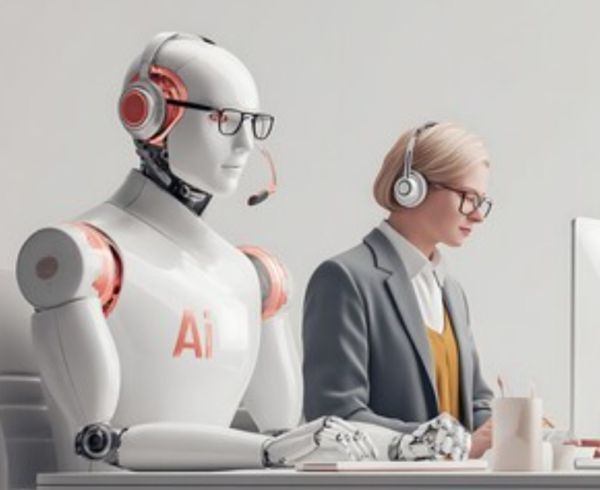
While AI can drive significant efficiencies and innovation, it is essential to maintain a balance between technology and human-centered approaches. Organizations must recognize that AI is a tool to enhance human capabilities, not replace them. This balance ensures that AI-driven growth does not come at the expense of employee engagement or customer relationships.
One company that exemplifies this balance is Google. The tech giant uses AI to power a wide range of products and services, from search algorithms to recommendation systems. However, Google also invests heavily in human-centered design, ensuring that its AI tools are intuitive, accessible, and user-friendly. This approach not only enhances the effectiveness of AI-driven products but also maintains a strong focus on the user experience.
In Conclusion
AI-powered transformation offers organizations a powerful tool for driving growth, but its success depends on a holistic approach that aligns AI initiatives with the organization’s mission, vision, and values. By integrating AI in a way that supports sustainability, inclusivity, and human-centered approaches, organizations can harness the full potential of AI while ensuring long-term success and positive social impact.
As leaders consider AI integration, it is crucial to move beyond technology for technology’s sake and focus on how AI can be leveraged to enhance the organization’s broader goals. This holistic approach not only drives growth but also ensures that AI serves as a force for good in the organization and beyond.
How do you see your organization integrating AI? This might be the most important question to begin with. What do you see as limitations, including initial resistance to the use of these tools? Working with Mythos Group to help make these decisions and implement AI integration can make a world of difference in your success. We tailor your experience according to the needs and goals of your team. Reach out to us today and find out more!